A Response to Doina Sandor’s Essay on Resistance
By Zuko Zikalala
Bear with me as I cobble a few thoughts.
I want to say something about resistance when it is spelled with a capital “R” opposed to when it is spelled with a lower case one.
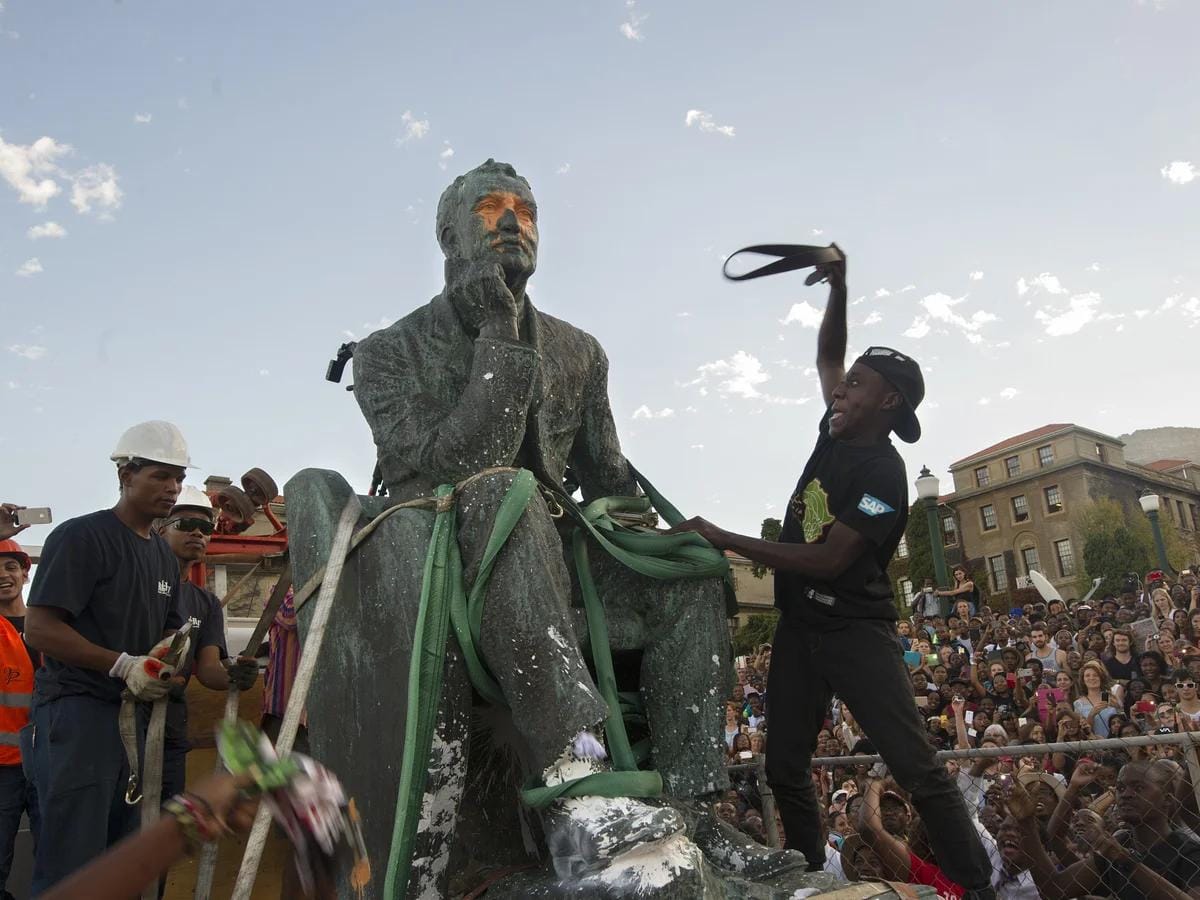
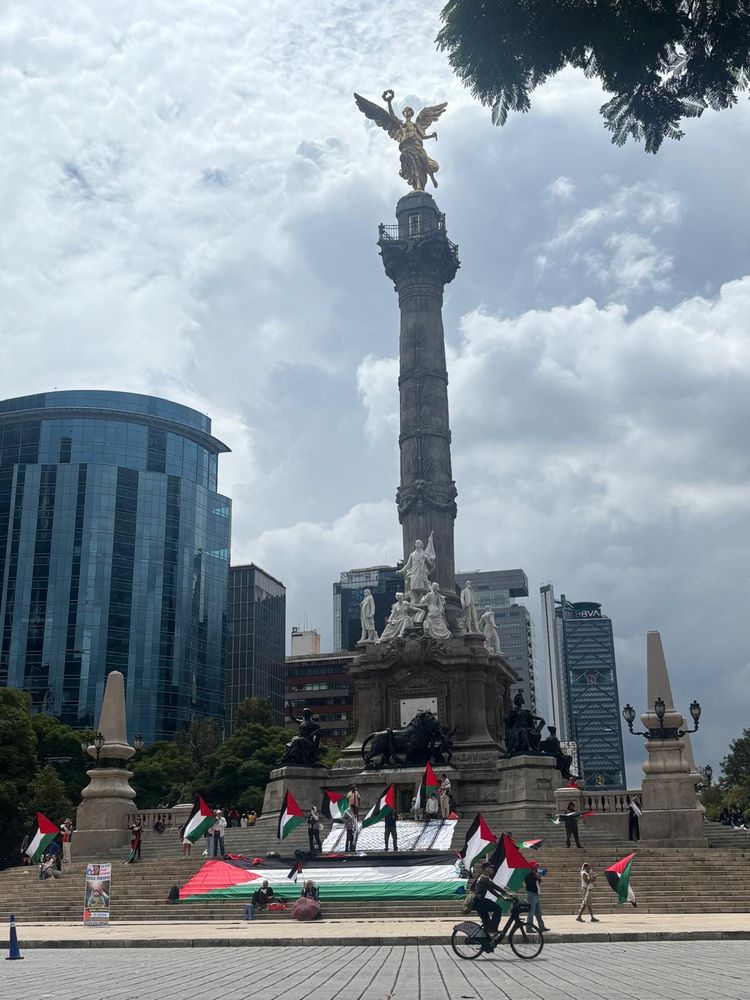
I see the capital “R” jutting out above the other letterssomewhere in the middle of a sentence like those two statues you confront us with in the first sentences of your essay.. I want to reading that capital-lettered word juxtaposed against the fleeting moments of resistance throughout the rest of your essay: the dances, the fireworks, a streak of lipstick which I imagine to be red. ”Small rebellions,” you call them at one point.
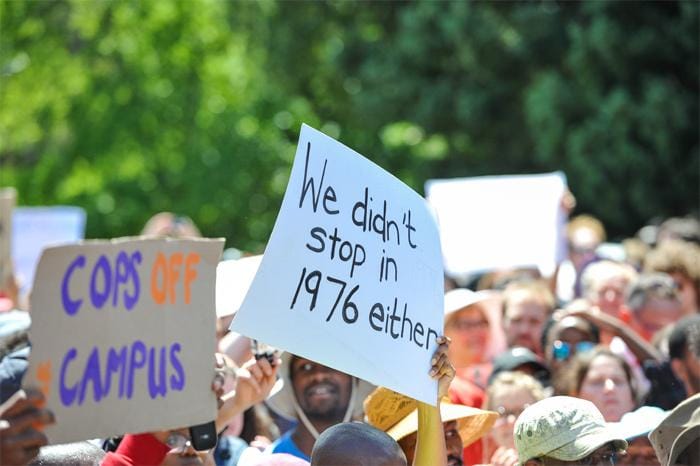
But this matter of the big R: I know it as a kind of inheritance. I came of age learning, both in the classroom and from experience, a disillusionment with the thing.; That word has become devalued for me. I have also learned to rein my cynicism in. For one, I will never know—and this even after living through #FeesMustFall1 and #RhodesMustFall2—the hope and investment (read faith) people put in charismatic leaders, usually male, or a political party to bring about change. “Better life for all! Better life for all!” was the slogan of a political party in my part of the world early during our democracy, which we now call “South Ah.” I think about how we all agreed one day that we’d incorporate something that sounds like a sigh at the end when referring to that country’s name. Small “r”s in our voices [?] maybe? I’ll leave that to the sociolinguists.
Resistance. Think anticolonial movements throughout the 20th century. It produces manifestos. It produces “we the people.” Also posters, usually with the image of a woman with rifle in hand and a baby on her back. It produces revolutionary men, some more handsome than others, who get assassinated.
Think Fanon being petrified by the stare of a white kid. Fanon be petrified quite a bit. Which is why I love your use of glance. It signals an invitation to see and to be seen. It’s giving desire an invitation to co-construct the scene. Make a scene. This is where the dance happens.3
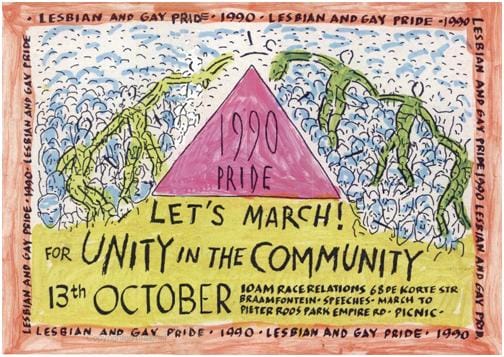
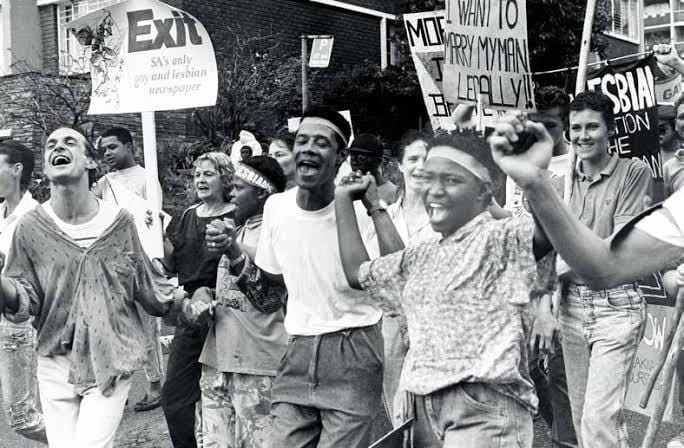
I do not disavow “Resistance” at all. Urgent action needs to be taken. And I believe, like many before me, that the revolution will be a poetic act. Skillful means will be required; organized action is necessary. And a kind of decisive-ness that must be discovered and practiced [?]. And then I remember that in the age of therapy-speak resistance also names an inner opposition that is projected onto external phenomena: why was I late for hot-yoga this morning? the unread text messages; the unmade bed; a host of distractable logics spill beyond this essay.
In a conversation I sat in on recently, the speaker made point about how decolonization is not an event, but an ongoing practice. More than ten years since #Fallist movements, a kind of wryness sticks to the word ”Resistance": especially when I remember how the leaders at the forefront were cosplaying Sankara, Biko, Cabral. All this while a song by Jamila Woods plays in my head now: the song is called “Practice” (it cues every time I mention that word, like an affirmation, or, better, like an Earth Wind & Fire song). And I remember refusal, buried somewhere there in the entanglements, “groundings with bros,” calls forth an unearthing. A practice of refusal as the thing (resistance), not for or toward some kind of freedom, no one can give you that shit. No. Small “r” resistance is not always recognizable, but its effect will still be felt after the upending has been done.
Maybe one day
I will write a poem
call it this line
of resistance,
or the feeling
that someone
walked over my grave.
1 #FeesMustFall
2 #RhodesMustFall
3 Here I’m referring to the oft read primal scene of black subject formation, or what’s known as the Fanonian moment, see in Frantz Fanon Charles Lam Markmann (trans.) Black Skins, White Masks(Northhamption: Pluto Press,2008). As well as beautifully titled chapter by Bibi Bakare-Yusuf, “Fanon Can’t Dance: the Antiphonies of the Gaze” in “In the Sea of Memory: Embodiment and Agency in the Black Diaspora” Thesis submitted toward a Degree of Doctor of Philosophy at the University of Warwick.

Member discussion